How Road Salt Destroys Your Car's Paint (And How to Stop It)
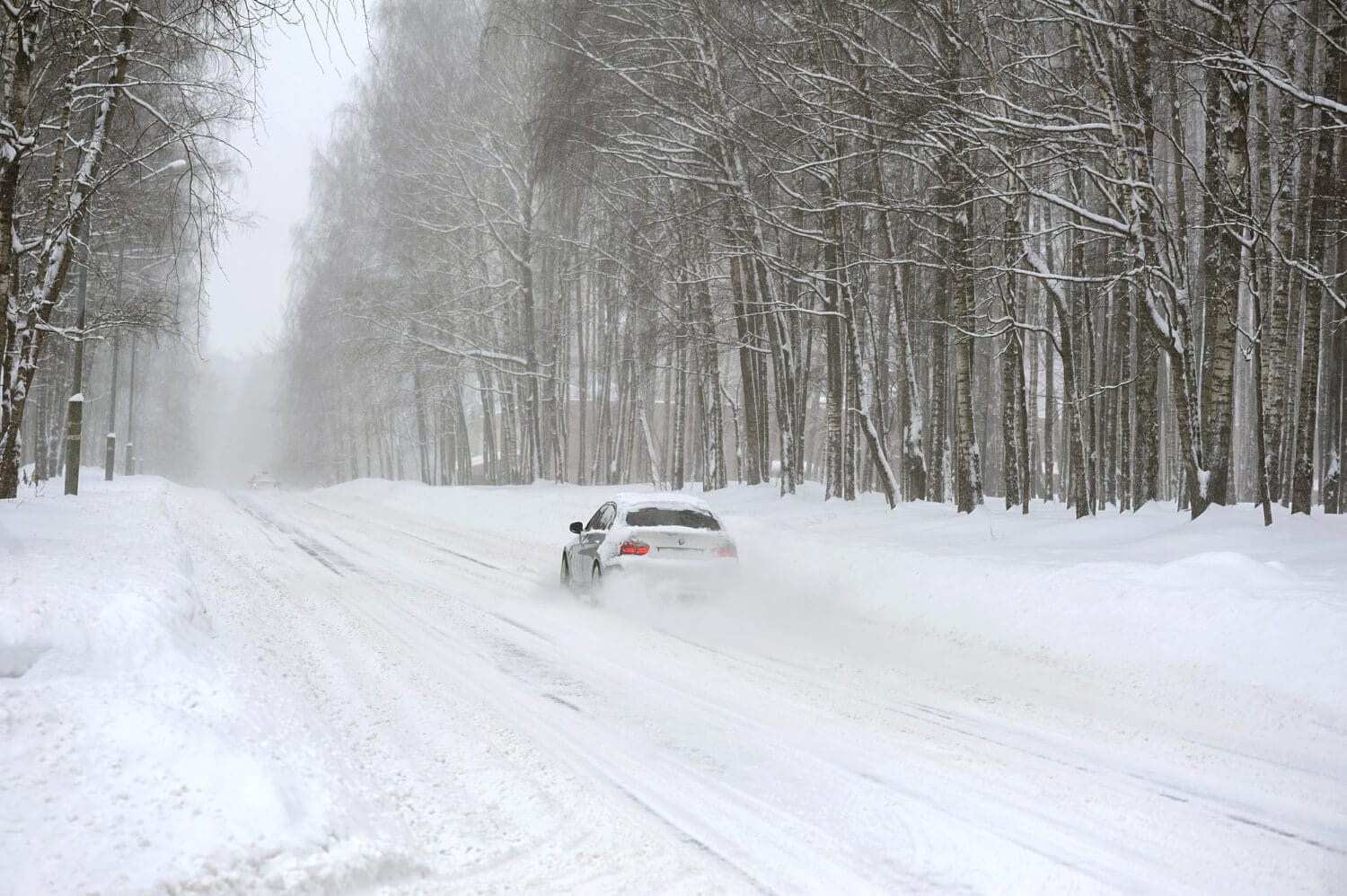
Every winter, Quebec roads get covered in salt. Indeed, this keeps us safe on icy streets. However, that same salt is slowly eating away at your car's paint. In fact, road salt damage is one of the main reasons cars rust so fast here. In this guide, we'll explain exactly how road salt destroys your paint. More importantly, we'll show you how to stop it before it's too late.
What Is Road Salt and Why Do We Use It?
Road salt is mostly sodium chloride — the same stuff as table salt. Essentially, it lowers the freezing point of water. As a result, ice and snow melt faster on roads. This makes driving much safer in winter.
However, there's a catch. Quebec uses about 1.5 million tonnes of road salt each year. That's a lot of corrosive material hitting your car every day. Unfortunately, your paint pays the price.
How Road Salt Damage Affects Your Paint
Road salt doesn't just sit on your car. Actually, it attacks in several ways:
1. Road Salt Damage Starts With the Clear Coat
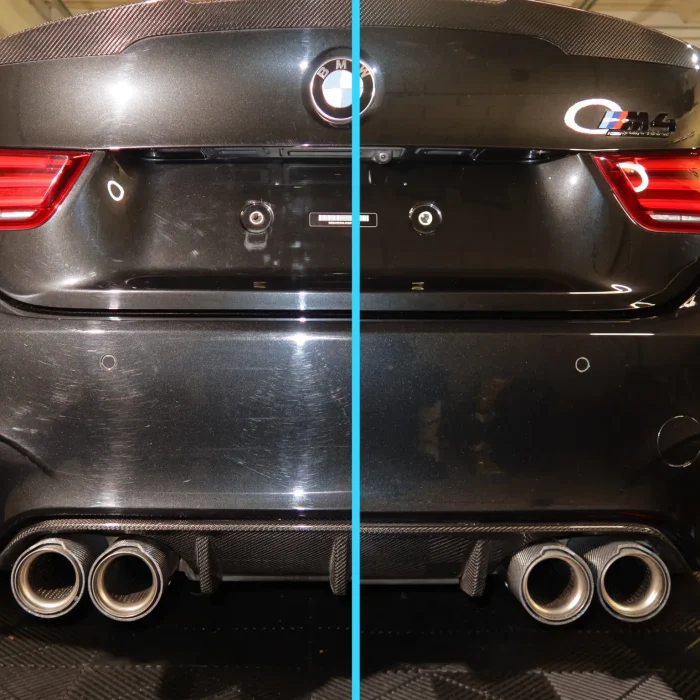
Your car's paint has layers. On top, there's a clear coat that protects the color underneath. Unfortunately, salt is abrasive. When mixed with water and dirt, it grinds against the clear coat. Over time, this creates tiny scratches. These scratches let moisture in. As a result, rust begins to form.
2. Road Salt Damage Speeds Up Corrosion
Salt and water create an electrolyte solution. Basically, this speeds up the rust process. Metal corrodes much faster when salt is present. In fact, studies show salt can make rust form up to 5 times faster. That's why Quebec cars rust quicker than cars in dry climates.
3. Road Salt Damage Hides in Hard-to-Reach Spots
Salt spray gets everywhere. It collects in wheel wells, under the car, and inside door jams. These hidden spots rarely get cleaned. Consequently, salt sits there for months. This causes serious damage you don't see until it's too late.
Signs of Road Salt Damage on Your Car
How do you know if road salt is hurting your paint? Here are the warning signs to watch for:
White Residue or Film
First, you might notice a white, chalky film on your paint. This is dried salt. If left alone, it eats into the clear coat. Therefore, wash it off as soon as possible.
Dull or Faded Paint
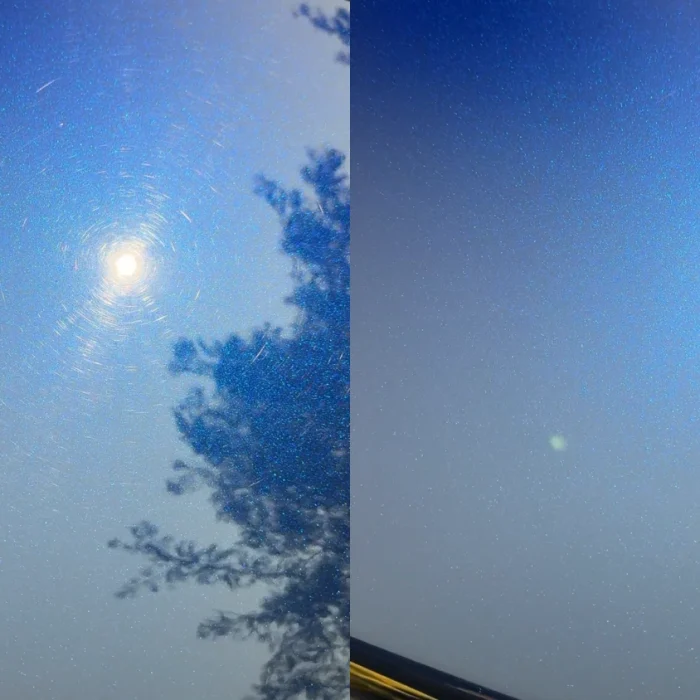
Next, your paint may look dull or hazy. This happens when the clear coat gets damaged. Essentially, the shine disappears because the surface is scratched and worn.
Rust Spots or Bubbles
Finally, you might see small rust spots or bubbles in the paint. This means salt has penetrated to the metal. At this point, professional repair is needed. Otherwise, the rust will spread quickly.
How to Protect Your Car From Road Salt Damage
The good news? You can prevent road salt damage. Here's what works best:
1. Wash Your Car Regularly
Ideally, wash your car every 1-2 weeks in winter. Focus on the undercarriage and wheel wells. These areas collect the most salt. Also, choose a warm day if possible. This prevents water from freezing on your car.
💡 Pro Tip: Use a touchless car wash. Brush washes can scratch salt particles into your paint. Touchless systems rinse salt away safely.
2. Apply Wax or Sealant Before Winter
Wax creates a barrier between salt and your paint. However, it only lasts a few weeks. Sealants last longer — about 3-6 months. For best results, apply before the first snowfall. This gives your car a fighting chance.
3. Ceramic Coating Prevents Road Salt Damage
For serious protection, ceramic coating is the best option. Unlike wax, it bonds to your paint permanently. As a result, it creates a hard, chemical-resistant shield. Salt can't penetrate it. Moreover, dirt and grime slide off easily. Ceramic coating lasts 2-5+ years with proper care.
4. Fix Paint Chips Immediately
Small chips expose bare metal. Salt attacks these spots first. Therefore, fix chips as soon as you spot them. Touch-up paint kits are cheap and easy to use. This simple step prevents big rust problems later.
5. Consider Paint Protection Film (PPF)
PPF is a clear film applied to high-impact areas. Specifically, it protects the hood, bumper, and side mirrors. It blocks salt, rocks, and road debris. Combined with ceramic coating, it offers maximum protection.
Road Salt Damage: Prevention vs. Repair Costs
Prevention is always cheaper than repair. Here's a quick cost comparison:
| Option | Cost | Protection |
|---|---|---|
| Regular washing (winter) | $15 - $30/wash | Basic |
| Wax or sealant | $50 - $150 | 3-6 months |
| Ceramic coating | $500 - $1,800 | 2-5+ years |
| Rust repair (body shop) | $500 - $3,000+ | Repair only |
| Full respray (severe damage) | $3,000 - $10,000+ | Repair only |
Clearly, spending $500-$1,800 on ceramic coating beats paying $3,000+ for rust repair. Plus, your car keeps its resale value. It's a smart investment for any Quebec driver.
Frequently Asked Questions About Road Salt Damage
Q: How fast does road salt damage paint?
A: It depends on your car's condition. Generally, visible damage appears after 2-3 winters without protection. However, microscopic damage starts much sooner. Therefore, prevention is key.
Q: Does washing my car in winter really help?
A: Absolutely! Regular washing removes salt before it causes damage. Ideally, wash every 1-2 weeks. Also, make sure to clean the undercarriage.
Q: Is ceramic coating worth it for road salt damage protection?
A: Yes, especially in Quebec. Ceramic coating creates a chemical-resistant barrier. As a result, salt can't penetrate your paint. It's the best long-term protection available.
Q: Can I remove road salt damage myself?
A: Minor damage like white residue washes off easily. However, rust spots need professional attention. In fact, DIY rust repair often makes things worse.
Protect Your Car From Road Salt Damage Today
We've protected hundreds of cars from Quebec's harsh winters. Our ceramic coatings block road salt and keep your paint looking new for years. See our results.
Book Your Appointment📍 431 Rue O'Diana, Terrebonne, QC