What Is Paint Correction? Cost, Stages & Why Quebec Drivers Need It
Last updated: January 2026
Your car's paint looks dull. You see swirl marks under sunlight. The clear coat has fine scratches everywhere. Sound familiar? This is what happens after years of automatic car washes, harsh Quebec winters, and improper washing. The solution is paint correction — a professional process that removes these defects and restores your paint to showroom condition.
In this guide, we'll explain what paint correction is, how much it costs, the different stages, and why it's especially important for drivers in Montreal, Laval, and the North Shore.
What Is Paint Correction?
Paint correction is a machine polishing process that removes defects from your car's clear coat. Unlike a simple polish or wax that temporarily hides imperfections, paint correction actually removes them.
A trained detailer uses a dual-action or rotary polisher with specialized compounds and pads. The process carefully levels the clear coat, eliminating:
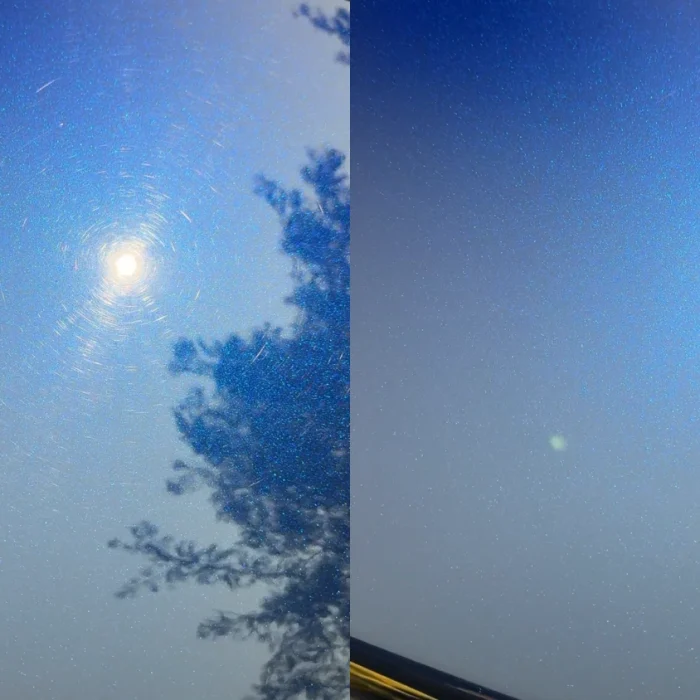
- Swirl marks — Those circular scratches you see in direct sunlight
- Light scratches — Surface-level marks from improper washing
- Oxidation — Faded, chalky paint from UV exposure
- Water spots — Mineral deposits etched into the clear coat
- Holograms — Buffer trails left by inexperienced detailers
The result is paint that looks like it just rolled off the factory floor — deep gloss, sharp reflections, and significantly reduced defects.
Does Paint Correction Fix Chips and Deep Scratches?
No. This is a common misconception. Paint correction only addresses defects in the clear coat — the top layer of your paint system.
Here's a simple test: run your fingernail across the scratch. If your nail catches, the scratch is too deep for correction. These deeper defects have penetrated through the clear coat into the base coat or primer. This is a quick rule of thumb — a proper inspection under lighting confirms what can be safely improved.
Paint correction cannot fix:
- Rock chips — These need touch-up paint or professional repair
- Deep key scratches — Require wet sanding or repainting
- Rust spots — Need rust treatment and repainting
- Clear coat failure — When the clear coat has completely worn through
A professional detailer will inspect your paint and give you realistic expectations before starting any work.

Paint Correction vs Polish: What's the Difference?
Many people confuse polishing with paint correction. While they use similar tools, the results are very different.
Polishing
A polish is a finishing step that adds gloss and fills minor imperfections temporarily. It uses fine abrasives that don't remove much material. The results look good initially but fade within weeks as the fillers wash away.
Paint Correction
Paint correction uses cutting compounds that actually remove a thin layer of clear coat — along with the defects embedded in it. The results are permanent because the scratches are gone, not just hidden.
💡 Pro Tip: If a shop offers "paint correction" for $100 and completes it in an hour, they're polishing — not correcting. True paint correction takes 4-12 hours depending on the vehicle's condition.
Paint Correction Stages Explained
Paint correction is categorized by stages, which indicate how many polishing steps are performed. More stages mean more defect removal — but also more time and cost.
1-Stage Paint Correction
A single cutting and polishing step. This removes light swirl marks and minor scratches, restoring approximately 50-70% of clarity. Best for newer vehicles or well-maintained paint with minimal defects.
2-Stage Paint Correction
The most common choice. The first step uses a cutting compound to remove defects, followed by a polishing step to refine the finish. This achieves 80-95% defect removal and works for most vehicles with moderate swirling and scratches.
3-Stage Paint Correction
Reserved for severely neglected paint. Three rounds of compounding and polishing tackle heavy oxidation, deep swirls, and significant damage. This achieves 95%+ correction but requires more clear coat removal.
A professional detailer will assess your paint using proper lighting and recommend the appropriate level. Going too aggressive wastes clear coat, while being too conservative leaves defects behind.
How Much Does Paint Correction Cost in Quebec?
Paint correction pricing varies based on the correction level, vehicle size, and paint condition. Here's what Quebec drivers typically pay:
These are typical Quebec price ranges. Exact pricing depends on paint condition, vehicle size, and the correction level required.
| Correction | Sedan/Coupe | SUV/Truck |
|---|---|---|
| 1-Stage | $300-400 | $400-500 |
| 2-Stage | $500-650 | $650-800 |
| 3-Stage | $700-900 | $900+ |
Factors that affect pricing include:
- Paint hardness — Japanese and German paints vary significantly
- Current condition — Heavily neglected paint takes longer
- Vehicle size — More surface area means more time
- Color — Black and dark colors show every defect and require more precision
How Long Does Paint Correction Take?
Proper paint correction cannot be rushed. Here's what to expect:
- 1-Stage: 4-6 hours
- 2-Stage: 6-10 hours
- 3-Stage: 10-15+ hours
This doesn't include preparation time — washing, decontamination, and clay bar treatment — which adds 1-2 hours.
Why does it take so long? Each panel must be corrected section by section. The detailer constantly checks progress under inspection lights, adjusts technique based on paint response, and ensures no defects remain. Rushing leads to holograms, missed spots, and potential clear coat burn-through.
Why Quebec Drivers Need Paint Correction
Quebec's climate and driving conditions are particularly harsh on automotive paint. Here's why local drivers benefit most from professional paint correction:
Automatic Car Wash Damage
Those spinning brushes at drive-through car washes trap dirt and sand. Every visit creates hundreds of micro-scratches in your clear coat. After a few years of regular washes, your paint is covered in swirl marks — especially visible on black, blue, and red vehicles.
Winter Salt and Road Grime
Quebec uses heavy road salt every winter, and that abrasive grime gets caked onto paint for months. Improper washing techniques — like wiping off salt with a dirty rag — grind these particles into your clear coat, leaving scratches behind.
UV Damage From Summer Sun
Quebec summers bring intense UV exposure. Without protection, clear coat oxidizes and becomes hazy over time. Paint correction removes this oxidized layer, revealing fresh paint underneath.
Resale and Lease Return Value
Planning to sell or return a lease? Paint condition dramatically impacts value. Swirl marks and scratches signal neglect to buyers and lease inspectors. A paint correction before sale or return can add $1,000-$2,500 to your vehicle's perceived value.
Paint Correction + Ceramic Coating: The Smart Combo
Here's the truth: paint correction results won't last forever if you don't protect them. Once your paint is corrected, it's vulnerable to new scratches and contamination.
That's why most detailers recommend ceramic coating immediately after paint correction. Ceramic coating creates a hard, sacrificial layer over your clear coat that:
- Protects against UV damage and oxidation
- Makes washing easier with hydrophobic properties
- Resists light scratches and chemical etching
- Lasts 3-5+ years with proper maintenance
Think of it this way: paint correction is the restoration, ceramic coating is the protection. Doing one without the other is like restoring hardwood floors but never sealing them.
💡 Pro Tip: Bundling paint correction with ceramic coating often saves money compared to booking them separately. Ask about package pricing.
Frequently Asked Questions About Paint Correction
Q: What is paint correction?
A: Paint correction is a machine polishing process that permanently removes swirl marks, scratches, and oxidation from your car's clear coat. Unlike waxing or polishing, it eliminates defects rather than hiding them temporarily.
Q: How much does paint correction cost?
A: In Quebec, paint correction ranges from $300-$500 for a 1-stage correction up to $700-$1200+ for a 3-stage correction. Pricing depends on vehicle size, paint condition, and correction level needed.
Q: Does paint correction fix rock chips?
A: No. Paint correction only removes defects within the clear coat layer. Rock chips, deep scratches, and rust damage penetrate beyond the clear coat and require touch-up paint or professional repair.
Q: How long does paint correction last?
A: The correction itself is permanent — removed scratches don't come back. However, new scratches will develop over time without protection. That's why ceramic coating is recommended to preserve results for 3-5+ years.
Q: What's the difference between 1-step and 2-step paint correction?
A: A 1-step uses one polishing stage and removes 50-70% of defects — best for light swirling. A 2-step uses a cutting compound followed by a polish, removing 80-95% of defects — best for moderate damage.
Q: Do I need ceramic coating after paint correction?
A: It's highly recommended. Without protection, your freshly corrected paint will accumulate new scratches and contamination. Ceramic coating locks in the results and makes maintenance much easier.
Ready to Restore Your Paint?
Swirl marks, scratches, and dull paint don't stand a chance. Our professional paint correction restores your vehicle's finish to showroom condition. See our results.
📞 Call to book a paint assessment
Book Your Appointment📍 431 Rue O'Diana, Terrebonne, QC — Serving Montreal, Laval & the North Shore